
The right care, at the right time.
Interceptive orthodontics for children aged 7–10. Guiding jaw growth and creating space while your child is still growing — available at our Claremont practice on Stirling Highway, serving all of Perth's western suburbs.
The Australian Society of Orthodontists recommends assessment by age 7.
At seven, your child has a mix of baby and adult teeth — and enough growth remaining for Dr Denize to identify developing problems and intervene before they become complex. For many Perth families, an early assessment provides peace of mind even when no treatment is needed immediately.
Not every child needs early treatment. But every child benefits from knowing whether they do — and planning ahead if they don't. — Dr Stewart Denize
Guiding growth, not just straightening teeth.
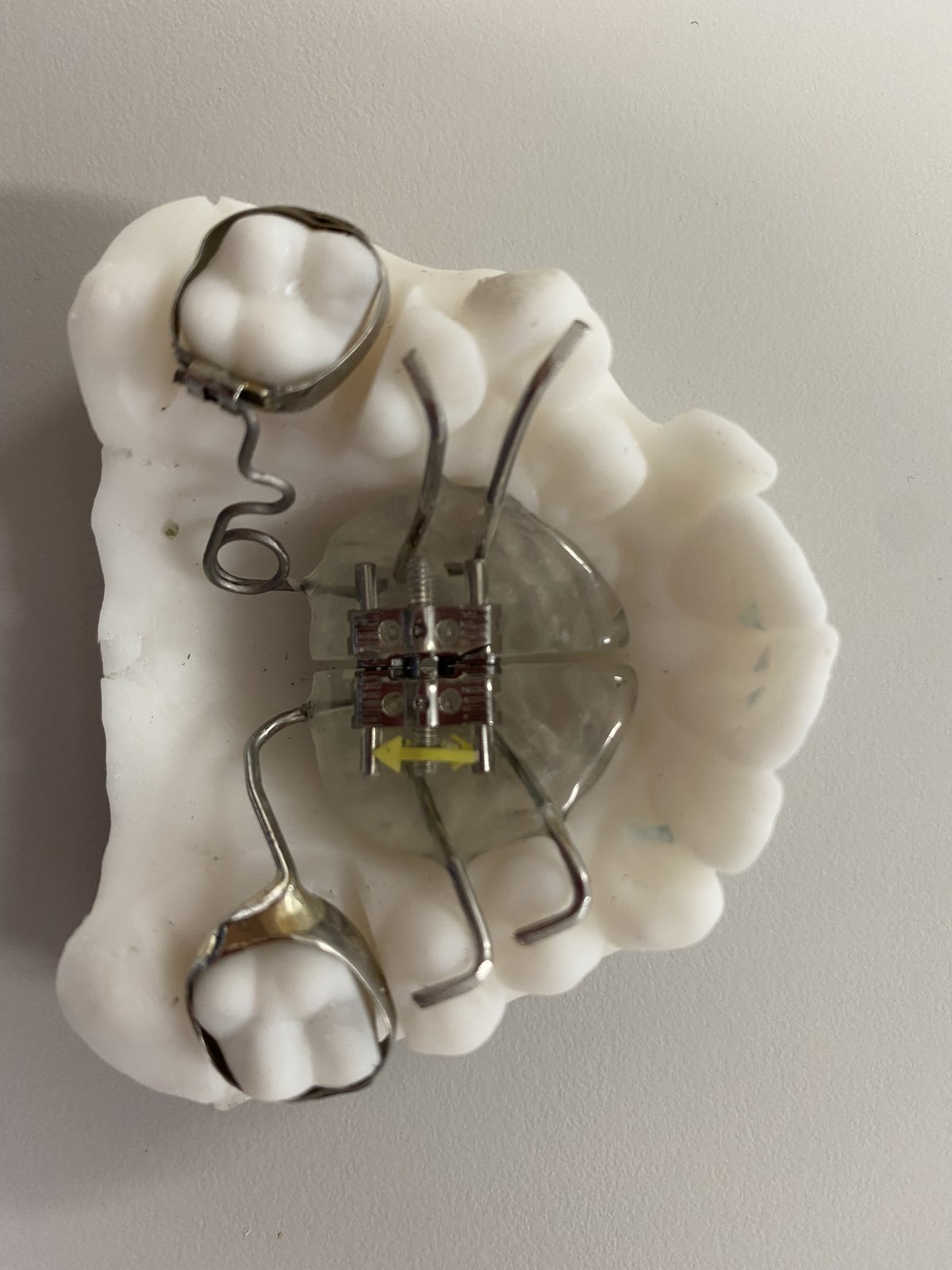
Jaw growth guidance
Plates and expanders can widen a narrow upper jaw, encourage forward growth, or correct asymmetry — but only while the jaw is still actively growing. This window of opportunity is one reason specialist assessment from age 7 is recommended for children across Perth.
Creating space for adult teeth
Space maintainers and arch development appliances can prevent crowding before it develops, reducing the likelihood of extractions being needed later. Addressing this at our Claremont practice while space is still available is far simpler than managing severe crowding in the teenage years.
Correcting crossbites
A crossbite in a growing child can cause the jaw to shift and develop asymmetrically over time. Early correction at a Claremont Orthodontics appointment prevents these permanent skeletal changes from taking hold.
Reducing future complexity
A short course of interceptive treatment at age 8–10 can simplify — or occasionally eliminate — the need for full braces in the teenage years. Even when braces are still needed afterwards, Phase 1 treatment tends to make Phase 2 shorter and less complex.
Appliances designed for growing jaws.
Plates
Removable appliances that apply gentle pressure to widen the jaw or move specific teeth. Worn most of the time and adjusted at regular visits to our Stirling Highway practice.
Expanders
Fixed appliances that gradually widen the upper jaw over several weeks. Most effective during the growth years when the palatal suture is still flexible and responsive.
Space maintainers
Hold space open for adult teeth when baby teeth are lost early. Prevents neighbouring teeth from drifting into the gap and creating crowding problems later.
Dr Denize will only recommend early treatment when there is a clear clinical benefit. Many children are best served by monitoring their growth at our Claremont practice and starting comprehensive treatment in their early teens when the timing is right.
Frequently asked questions about early treatment.
When should my child first see an orthodontist in Perth?
The Australian Society of Orthodontists recommends an initial orthodontic assessment by age 7. At this age your child has a mix of baby and adult teeth, and enough jaw growth remaining for a specialist to identify developing problems. Families from Claremont, Nedlands, Cottesloe, and across Perth's western suburbs can book directly at our Stirling Highway practice — no referral is needed.
What is Phase 1 orthodontic treatment?
Phase 1, or interceptive treatment, is early intervention typically carried out between ages 7 and 10. It uses appliances such as plates, expanders, and space maintainers to guide jaw growth, create space for adult teeth, and correct developing problems like crossbites — while your child's jaw is still actively growing and most responsive to gentle guidance.
Will my child still need braces after early treatment?
In many cases, yes. Early treatment addresses specific developing problems but may not eliminate the need for comprehensive braces in the teenage years. However, Phase 1 intervention can reduce the complexity and duration of later treatment considerably. Dr Denize will discuss the complete long-term plan with you from the outset, so there are no surprises.
How do I know if my child needs early orthodontic assessment?
Signs to look for include crowding or overlapping teeth, a crossbite (where upper and lower teeth don't align correctly when biting), persistent thumb or finger sucking past age 5, early or late loss of baby teeth, difficulty chewing, and mouth breathing. If you notice any of these in your child, a specialist assessment at our Claremont practice can give you a clear picture.
How much does early orthodontic treatment cost in Claremont?
The cost of early treatment depends on the appliance recommended and the duration of the treatment phase. Early intervention is typically a more focused undertaking than full braces. All fees are discussed clearly and upfront at your consultation with Dr Denize — no hidden costs, and flexible payment plans are available for families visiting from across Perth.
Book a growth assessment.
A free consultation for your child gives you a clear picture of their dental development — and a plan for the future, whether that means treatment now or watchful waiting. Serving Claremont, Perth and surrounding suburbs.